Brampton Hygiene Service Experts
Your facility requires regular sanitation protocols tailored to specific risks, daily throughput, food allergens, and regulatory visits, with auditable records validating food safety measures, compliance audits, and health department standards. The information following give details about essential cleaning protocols.
Essential Summary
- Sanitation technicians in Brampton cater to restaurants, grocery departments, commissaries, warehouses, bakeries, schools, mobile vendors, and allergen-sensitive operations.
- High-touch surfaces, food-contact equipment, kitchens, floors, drains, restrooms, and storage areas are disinfected using area-specific procedures to avoid cross-contamination.
- Proper chemical concentration, suitability, and exposure duration are checked by qualified specialists, with conclusion recorded via samples, assessments, and remedial documentation.
- Hazard, production rate, format changes, spills, and guidelines must guide maintenance plans, with daily, regular, and seasonal tasks assigned by location.
- Coverage, color-coded equipment, hazard analysis knowledge, health regulatory knowledge, WHMIS education, references, and inspection-ready sanitation paperwork are essential vendor characteristics.
Which Brampton Venues Need Food Safety Cleaning?
Brampton establishments that process, store, prepare, package, or distribute food require food sanitation. Implement it if your establishment is regulated by public health inspection, food premises regulations, or internal HACCP-based controls. The obligation covers restaurants, cafeterias, commissaries, grocery food departments, butcher shops, seafood counters, convenience stores, and institutional kitchens.
Compliant food safety cleaning is equally needed in warehouses, food manufacturing plants, cold storage sites, retail bakeries, school nutrition programs, banquet halls, and meal delivery hubs. Temporary and mobile businesses are included, including catering vehicles, festival sellers, and pop-up stands. Your facility demands documented cleaning protocols if your employees process ingredients, portion ready-to-eat items, reheat products, or store allergens. In Brampton, cleanliness stays optional; it forms regulatory, business, and safety requirements.
What Do Brampton Cleaning Experts Clean?
Your facility requires professional cleaners who sanitize all high-touch areas, kitchens, all floor types, and restrooms for food safety and health code adherence. These zones receive attention due to their elevated cross-contamination potential, hazardous walking conditions, and violations of hygiene standards.
If you grasp what they sanitize, you'll successfully ensure your facility meets required operational and regulatory standards.
Critical High-Touch Surface Cleaning
create a sterilization plan
by changing towels, maintaining one-way workflows, and dividing disinfection tools separate according to location
Food Prep Areas, Flooring, and Sanitary Facilities
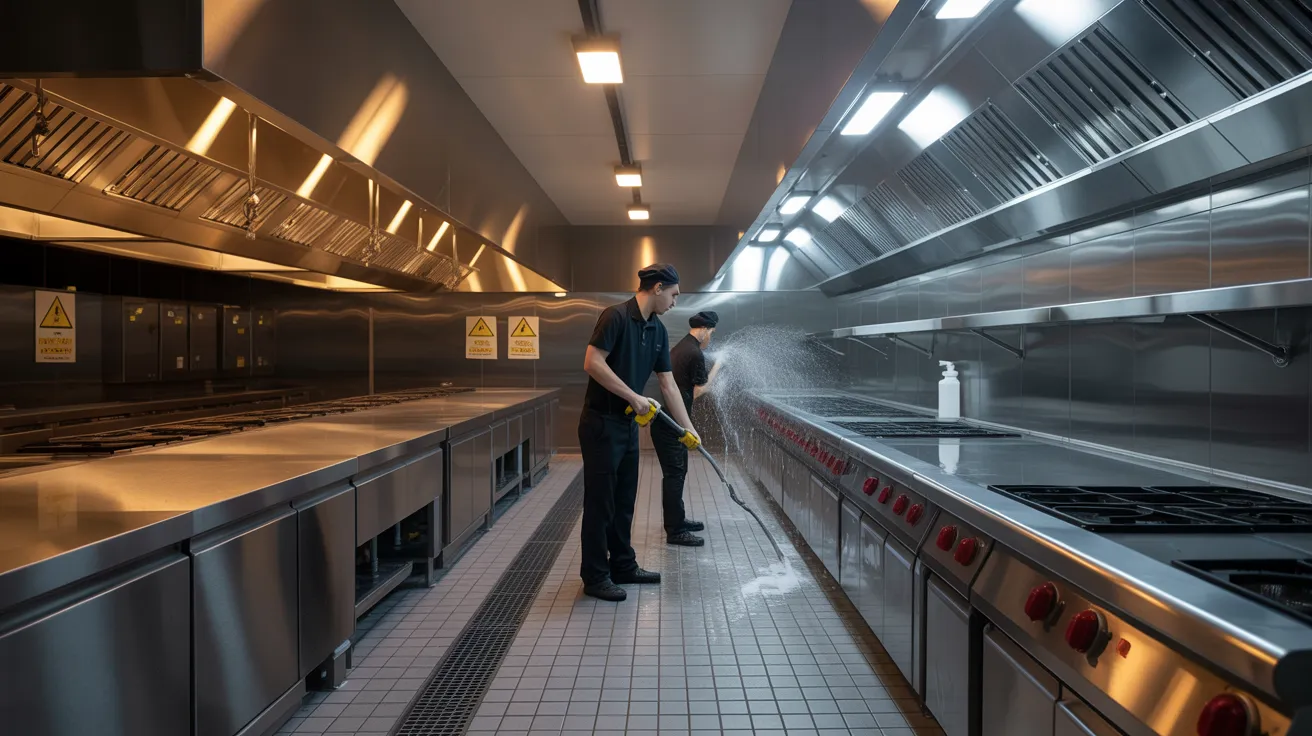
Professional cleaners in Brampton prioritize kitchens, floors, and restrooms given that each location involves distinct contamination control, slip-and-fall, and public health requirements. In industrial kitchens, you need grease removal from cooking stations, appliance surfaces, drain systems, preparation areas, and backsplashes to minimize bacterial growth and pest activity.
Floor care that is documented should also be anticipated. Technicians scrub and extract buildup from grout, tile, and vinyl flooring, then apply appropriate drying controls so you can limit falls and maintain code-compliant conditions. They also address entryways where moisture and debris migrate indoors.
For restroom sanitation, cleaners disinfect touchpoints, fixtures, partitions, dispensers, and waste containers, then refill items and eliminate smells. They also service restaurant moprooms, where chemical storage, sink hygiene, and drainage conditions can affect sanitation compliance and staff safety daily.
How Food Safety Cleaning Benefits Brampton Operations
Brampton facilities demand proper hygiene standards to meet compliance obligations and pass inspections. You also reduce bacterial spread through proper cleaning of food-preparation surfaces, appliances, and frequently-touched items. Most importantly, you help protect public health by lowering the risk of foodborne illness in your facility.
Food Safety Regulations
Because Brampton food establishments operate under mandatory safety protocols, food safety cleaning directly impacts your capability to fulfill health code requirements, protect customers, and prevent enforcement action. You must maintain sanitary food-contact surfaces, recorded sanitation plans, appropriate product handling, and auditable operational standards that meet municipal and provincial inspection expectations.
Detailed cleaning files allow you to demonstrate due diligence during regulatory audits and establish your methods remain standardized, consistent, and monitored. Proper hygiene practices moreover enables allergen reduction by minimizing buildup on mutual appliances and high-touch areas.
Cross-Contamination Avoidance
Adhering to health code standards requires your expertise in stopping cross-contamination throughout daily food handling and cleaning. You need to separate raw ingredients from ready-to-eat foods, sanitize work stations after each task, and store cleaning supplies separately from food. Structured procedures reduce transfer risks and ensure consistent compliance during inspections.
Building allergen isolation prevents key allergens from reaching common workstations, storage, or apparatus. Leverage separate cutting boards, colored implements, and precise instrument labeling so team members won't blend products in cooking or serving.Mandate hand cleaning following raw meat, seafood, eggs, or allergen-containing products. Swap wiping cloths regularly, and confirm disinfectant efficacy using test strips. When your team follows these practices every shift, you create a cleaner, safer operation that meets Brampton's food safety expectations consistently.
Public Health Protection
Should cleaning standards break, you don't simply risk a failed inspection—you increase the potential of contamination-related sickness impacting customers, staff, and the wider Brampton population. You also undermine your responsibility in protecting public health, especially in busy food facilities where contamination can spread quickly through surfaces, equipment, and touchpoints.
You depend on sanitation protocols that remove soils, effectively sanitize, and verify results. This entails adhering to contact periods, utilizing authorized sanitizers, maintaining records, and coaching staff to fulfill health-unit expectations. These initiatives promote pathogen control by reducing microbes before affecting food surfaces or hands. In Brampton, robust sanitation shields vulnerable populations, curtails outbreak likelihood, and demonstrates accountability. When you adhere to proper protocols, you go beyond regulations—you meaningfully lower danger and promote secure food service across the region.
How Does Cleaning Support Food Safety Compliance?
Adopting thorough cleaning protocols solidifies food safety compliance by decreasing contamination threats, managing pathogen expansion, and ensuring your facility complies with sanitation requirements under HACCP-based programs and public health regulations. You verify that food-handling surfaces appear visibly clean and microbiologically controlled, supporting documented preventive controls and inspection readiness.
Rigorous cleaning standards also strengthen allergen prevention by clearing residues that can provoke undeclared allergen exposure.
Finding When to Arrange Commercial Cleaning
cleaning routines or between work periods wherever surfaces contacting food, bathroom facilities, and high-contact zones
risk factors, production volumes, or regulatory standards change
What Should You Look For in Brampton Cleaning Experts?
Screen providers initially by their food-safe sanitation requirements—not budget alone. You need to verify that every company meets CFIA, public health, and HACCP standards for your operation. Demand insurance verification, WHMIS compliance, training records, and management systems. Evaluate technician knowledge of contamination dangers, chemical safety, and documented sanitation practices.
You should also assess operational reliability and accountability. Request references from food facilities in Brampton, then examine response times, corrective-action procedures, and communication standards. Confirm the company participates in supplier audits and can present inspection-ready documentation when regulators or third parties request evidence. Check whether equipment is maintained is performed, colour-coded tools are used appropriately, and facility-specific risks are recognized. A qualified provider protects compliance, product quality, and your brand reputation.
Which components are part of a Food Safety Cleaning Plan?
Create a documented strategy that clearly outlines every sanitation task, standard, and responsibility prior to beginning production. You should document cleaning schedules, authorized products, mixing ratios, exposure periods, equipment, and testing procedures for each zone, surface, and piece of equipment. Don't forget to add pre-operational inspections, corrective actions, and employee training requirements.
Your plan should also cover cross-contamination controls, waste handling, pest-prevention measures, and documented schedules for bathrooms, drainage systems, surfaces, and food-preparation zones. Explain how you'll keep raw and prepared foods apart, enable ingredient tracking, and maintain accurate allergen labeling through validated cleaning between product changes. You should assign accountability, keep signed records, and review results against regulatory standards, HACCP controls, and customer requirements. When gaps appear, update procedures immediately and re-educate staff.
Frequently Asked Questions about the Plan
Will cleaning services handle overnight shifts at Brampton facilities?
If you manage controlled environments, you'll also need documentation that enable inspections and ensure compliance.
Do sanitation professionals provide emergency spill response services?
Yes, you can expect many Brampton sanitation professionals to offer hazard containment services. They manage hazardous materials, assess risks, contain contamination, and begin swift cleanup to reduce exposure and business interruption. You should confirm their response times, professional credentials, safety procedures, and disposal procedures. If your facility must meet health or food safety regulations, select a service that records events, follows compliant sanitation standards, and enables compliance verification.
Do plant-based disinfectants operate safely on surfaces contacting food?
Yes, eco-friendly disinfectants can be safe for food preparation areas if you pick solutions certified for food use and complying with regulations. You should validate contact duration, concentration levels, and rinse requirements before deployment. Many plant based formulas decrease toxic chemical contact, but you should gather confirmation of performance against specific pathogens. To keep surfaces residue-free, you need to follow manufacturer instructions exactly and ensure the disinfecting agent meets food sanitation requirements.
Can sanitation programs be adjusted for seasonal shifts?
Without question, sanitation programs adjust easily for seasonal variations. Adapt frequencies, personnel, sanitizers, and testing procedures to match seasonal workflows while preserving regulatory compliance. Reduce production interruptions by timing disinfection surrounding production shifts, high demand periods, and usage patterns. Further modify standard operating procedures, instruction programs, and facility monitoring to account for periodic risks, novel allergens, or higher contamination levels. Periodic assessments keep your schedule functional.
Do professional cleaning services educate staff on sanitation best practices?
Absolutely, commercial cleaners frequently provide staff training on hygiene standards. key information Your team gets training on proper chemical use, dwell times, contamination avoidance, machine takedown, and paperwork. They typically align instruction with HACCP, GMP, and CFIA or regional health authority standards. Many also perform health inspections to ensure adherence, identify gaps, and reinforce corrective actions. This helps you maintain consistent procedures, pass inspections, and lower contamination dangers consistently.
Final Thoughts
Through working with Brampton food safety and commercial cleaning experts, you do far more than tidy—you ensure your facility for inspections and your procedures stay aligned with regulations. From production floors to kitchens, all maintained surfaces and kept corners help prevent pest problems and avoid major losses. Through booking service on suitable timelines and adhering to a comprehensive cleaning program, you ensure protection for your team, your patrons, and your standing. In a tightly controlled regulatory landscape, proper sanitation cannot be considered optional—they represent good business practice.